Start a Rock Music Podcast in 2026: A Band Manager's Guide to Finding Your Frequency
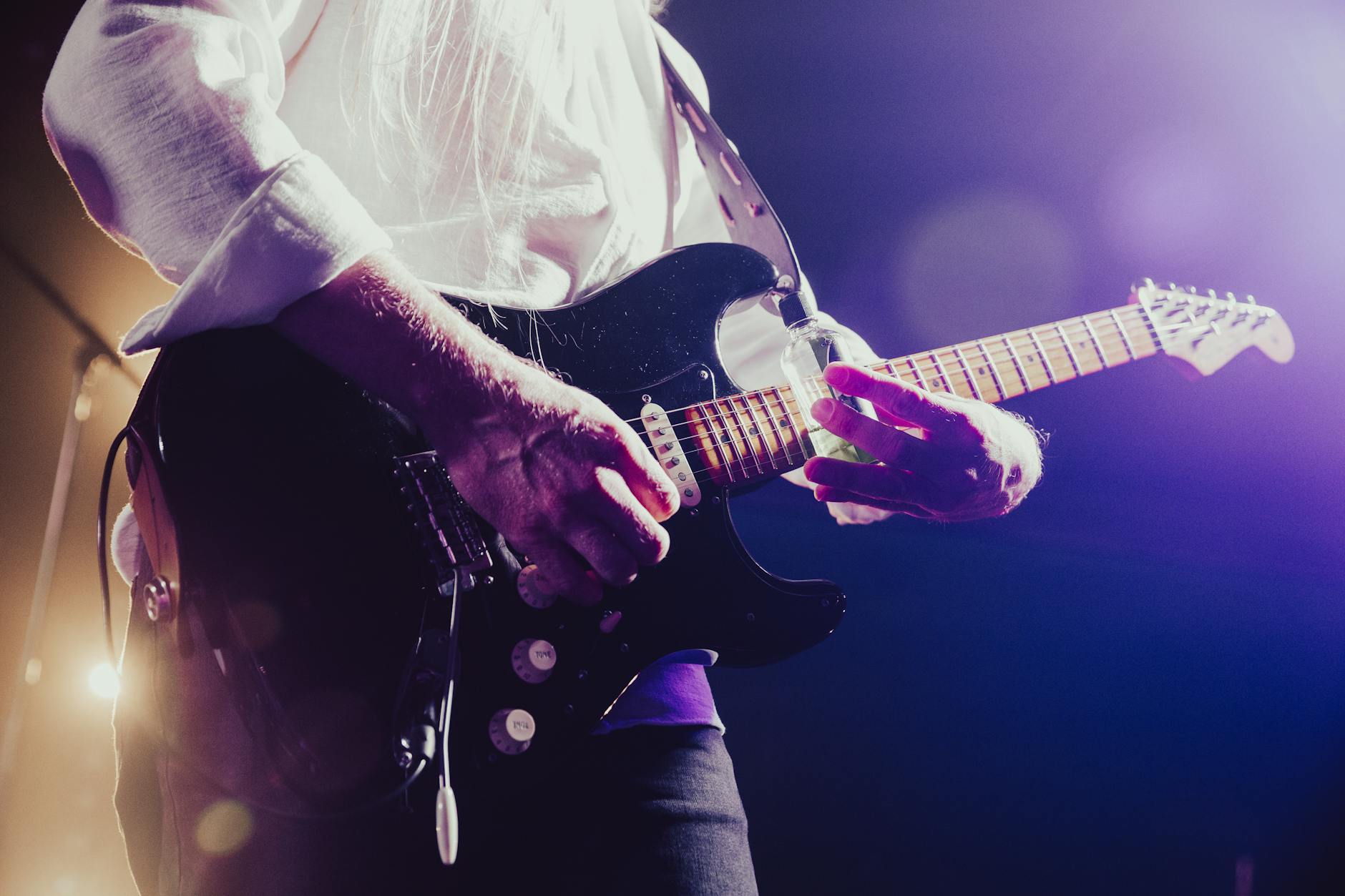
Rock is back in the conversation again. With Substream Magazine recently declaring “Why Rock Music Is Trending Again in 2026,” the genre’s resurgence isn’t just showing up on streaming charts and festival lineups—it’s creating space for new voices to shape the narrative. If you’ve ever caught yourself dissecting a setlist, arguing about pedalboard setups, or discovering a band months before your friends, now is the moment to start a rock music podcast and claim your corner of this growing wave.
The barrier to entry has never been lower, but the competition for attention has never been higher. Everyone with a SM58 and an opinion can hit record. What separates the podcasts that fizzle after six episodes from the ones that become appointment listening for crate-diggers and mosh pit veterans? Strategy, specificity, and a genuine connection to the culture you’re covering.
Why 2026 Is the Perfect Window to Launch
The rock podcast landscape is surprisingly thin in one critical area: current coverage with boots-on-the-ground perspective. Most established shows fall into two camps—heritage acts and classic deep-dives, or broad “everything rock” generalism that lacks teeth. The 2026 resurgence has created a hunger for voices that understand why bands like Militarie Gun and Jane’s Addiction’s new iteration matter right now, not just what happened in 1991.
Streaming numbers tell part of the story. Spotify reported a 23% increase in rock playlist engagement year-over-year as of Q1 2026. Festivals are booking heavier, guitar-driven acts higher on bills again. But the podcast ecosystem hasn’t fully caught up. There’s room for shows that bridge the gap between TikTok discovery culture and the longform analysis that serious fans actually want.
The key insight? Don’t try to be the next A History of Rock Music in 500 Songs—that ground is expertly covered. Instead, find the intersection of your actual expertise and an underserved niche.
Niche Down Before You Mic Up
The biggest mistake new podcasters make is trying to serve “all rock fans.” That’s a demographic of millions with wildly different priorities. When you start a rock music podcast, your first decision should be exclusion—who are you deliberately not for?
Consider these proven angles that currently have breathing room:
- Regional scene reporting: Weekly dispatches from a specific city or corridor (the Rust Belt industrial revival, the UK post-punk circuit, the unexpected desert rock renaissance in Arizona)
- Behind-the-business coverage: How mid-tier bands actually tour, budget, and survive in 2026—valuable for aspiring musicians and fascinating for fans who’ve never seen a guarantee sheet
- Gear and production focus: The evolution of guitar tone in modern rock bands is already covered here on RockTenders, but the recording and mixing decisions behind 2026’s best releases? Wide open
- Support ecosystem stories: Road crew, venue bookers, independent promoters—the infrastructure that makes rock actually happen
Your niche determines your guests, your audience, your monetization path, and whether you’ll still care enough to record episode 47 on a Tuesday night.
The Technical Setup That Won’t Bankrupt You
You don’t need a $3,000 Neumann to sound professional. You need consistent audio quality and a recording environment you can replicate. Here’s a realistic starter configuration:
Microphone: Shure MV7 ($249) or used SM7B if you find a deal. Both handle untreated rooms better than condensers. Interface: Focusrite Scarlett 2i2 4th Gen ($189). Reliable drivers, zero learning curve. Headphones: Beyerdynamic DT 770 Pro 80-ohm ($159). Closed-back prevents bleed. Recording: Riverside.fm or SquadCast for remote interviews ($15-20/month). Local recording? Reaper ($60, one-time) is more powerful than you’ll need for two years. Hosting: Buzzsprout or Transistor ($19/month starting tier). Both distribute to all platforms automatically.
Total realistic investment: under $800 for hardware that scales with you, plus recurring software costs. The gear is cheaper than one weekend of festival tickets and camping gear.
More important than equipment: your recording environment. A closet full of clothes works better than an “echoey room that looks cool on Instagram.” Test with claps. If you hear slapback, add more soft surfaces.
Building Episodes That Get Finished
The second-biggest failure point isn’t technical—it’s podcasters who can’t sustain production. Batch your work. Record four interviews in one week when your schedule allows, then edit across the following two weeks. Never let yourself be scrambling for “this week’s episode” the day before publish.
Structure each episode with intentional constraints:
- Cold open (30-45 seconds): A compelling clip, question, or observation that makes someone on 1.5x speed hit pause and restart
- Context segment (2-3 minutes): Why this episode exists now—tie to news, releases, or your ongoing narrative
- Main content (25-40 minutes): Respect your listener’s commute. One hour is a commitment; 35 minutes is a habit
- Outro with specific CTA (1 minute): “Subscribe on Spotify for next week’s episode about [specific topic]” outperforms “please rate and review” by every measurable metric
For remote interviews, send guests three specific questions 24 hours ahead. Not a script—just enough preparation that they arrive with stories ready, not answers they’re constructing in real-time. Your edit time drops by 40%.
Growing Beyond Your Friend Group
The “build it and they will come” approach works for approximately zero podcasts. When you start a rock music podcast, plan your distribution with the same intention as your content.
Week 1-4: Focus on platform optimization. Your show description should include “rock music podcast” naturally, plus your specific angle. Episode titles need to be searchable and intriguing—“Interview with Band X” is invisible; “How [Band] Spent $12K on Their First Headlining Tour (and Almost Lost the Van)” is not.
Month 2-3: Cross-pollinate with existing communities. Reddit’s r/letstalkmusic allows genuine participation; spam gets banned. Discord servers for specific subgenres often have #self-promotion channels with clear rules. Instagram Reels and TikTok clips of your most passionate 60-second rants drive surprising podcast discovery.
Month 4-6: Pursue strategic guest trades. Appear on established shows with aligned but non-competing audiences. A gear-focused podcaster guesting on a musician mental health show reaches new ears without audience overlap.
The metric that matters early isn’t downloads—it’s completion rate and subscriber conversion. 500 listeners who finish every episode and pre-save your guests’ music are more valuable to future sponsors than 5,000 casual drop-ins.
Your First Episode Is Just the Opening Track
The podcasts that survive treat episode one as a rough draft, not a definitive statement. Your sound will evolve. Your interview style will tighten. The niche you think you’re serving will probably shift slightly as audience feedback arrives.
What doesn’t change is the core requirement: genuine obsession with the subject. Rock fans can detect performative enthusiasm instantly. They’ll forgive uneven audio, occasional scheduling gaps, and evolving production values. They won’t forgive someone who clearly cares more about “having a podcast” than the music itself.
So start a rock music podcast not because podcasting is hot right now, but because you have something about rock—its present moment, its hidden machinery, its regional variations, its sonic evolution—that you cannot stop talking about anyway. The 2026 resurgence has created the audience. The technical barriers are manageable. The only remaining question is whether you’ll still be recording when that audience finds you.
Pick your niche. Set your first four interview dates. Record in that closet. The mosh pit of rock podcasting has room for one more—if you’re actually willing to jump in.