The Best Rock Albums for Studying: How Students Are Replacing Lo-Fi with Riffs in 2026
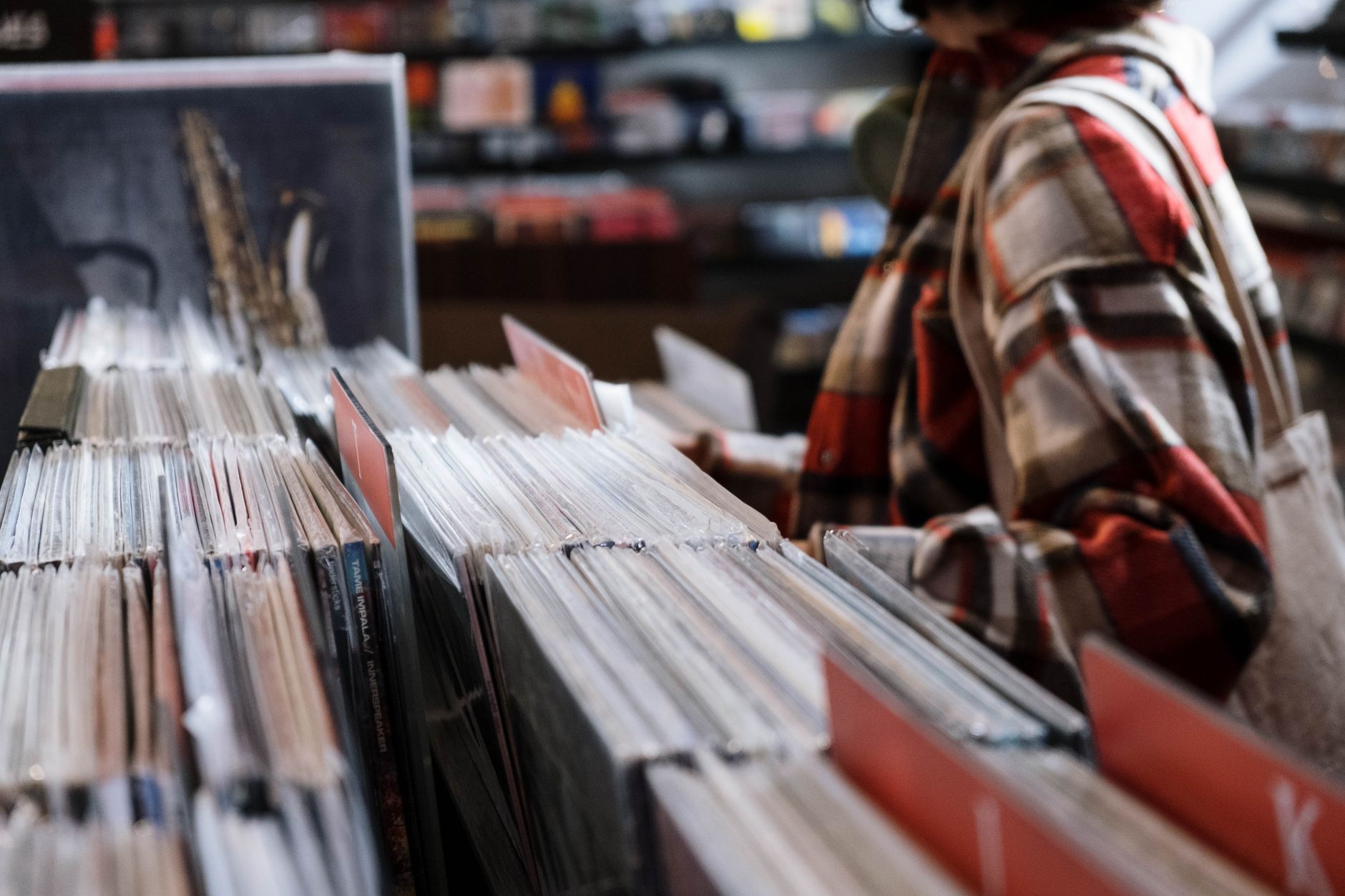
The back-to-school season is in full swing, and something unexpected is happening in campus libraries and dorm rooms across the country. While Spotify’s “Lo-Fi Beats” playlist still dominates study session streams, a growing number of students are ditching the sleepy hip-hop loops for something with more teeth. According to a March 2026 survey by Student Music Trends, 34% of college-aged listeners now prefer “structured instrumental rock” over traditional study music—and streaming data shows post-rock and ambient rock albums climbing the study playlist charts faster than ever.
This isn’t just nostalgia or contrarianism. The best rock albums for studying offer something lo-fi often lacks: dynamic arcs that keep your brain engaged without demanding your full attention, rhythmic precision that actually reinforces focus, and enough textural variety to prevent the monotony that makes two-hour cram sessions feel like five. The trick is knowing which records strike that elusive balance between stimulating and unobtrusive.
Why Rock Actually Works for Focus (The Science Behind the Riffs)
Before diving into specific albums, let’s address the skepticism. Most people assume rock is too aggressive, too vocal-heavy, or too unpredictable for concentration. But cognitive research tells a more nuanced story.
A 2025 study from the University of Miami’s Music Perception Lab found that music with moderate complexity and no lyrics improved sustained attention tasks by 18% compared to silence, and by 27% compared to lyrical pop. The key variables? Predictable rhythmic structures, gradual dynamic shifts rather than jarring ones, and instrumental passages long enough to establish a “cognitive groove.”
Rock delivers these elements uniquely well. Unlike electronic music, which often loops endlessly, rock’s human-performed subtle timing variations prevent the brain from filtering it out entirely—a phenomenon called “habituation” that makes repetitive music literally disappear from your awareness. The best rock albums for studying exploit this: they’re present enough to anchor your attention, but not so demanding they hijack it.
The Post-Rock Powerhouses: 4 Albums That Build Without Breaking
Post-rock has become the unofficial genre of the 2026 study session, and for good reason. These bands treat guitars like orchestral instruments, building layered crescendos that energize without the disruption of vocals or verse-chorus explosions.
Explosions in the Sky – The Earth Is Not a Cold Dead Place (2003) The quintessential entry point. Five tracks, all instrumental, each unfolding like a slow-breathing narrative. “Your Hand in Mine” has become a TikTok study staple for its 8-minute arc that gradually thickens without ever exploding into chaos. The guitar tones are clean, the drums are steady, and the emotional payoff feels earned rather than cheap.
Sigur Rós – Takk… (2005) Jón Þór “Jónsi” Birgisson’s bowed guitar and invented “Hopelandic” language create vocals that function as pure texture rather than narrative distraction. The album’s dynamic range—whisper-quiet to cathedral-filling—keeps your ears engaged without pulling your mind from the page. Track “Hoppípolla” is the exception; save it for your break.
This Will Destroy You – This Will Destroy You (2008) Heavier than Explosions in the Sky but equally disciplined. The self-titled album’s opening trio (“A Three-Legged Workhorse,” “There Are Some Remedies Worse Than the Disease,” “The World Is Our___”) establishes a meditative drone that sustains through 45-minute reading blocks. Warning: the back half gets noisier; program your playlist accordingly.
Godspeed You! Black Emperor – Lift Your Skinny Fists Like Antennas to Heaven (2000) Not for the faint of focus. This double album demands more from the listener, but rewards with some of the most cinematically absorbing instrumental music ever recorded. The 23-minute “Storm” actually contains internal movements that mirror productive work cycles: slow build, active development, climax, resolution. Match your pomodoro sessions to its structure.
The Acoustic & Ambient Rock Zone: 3 Records for Deep Reading
When you need to process dense material—textbooks, research papers, legal cases—post-rock’s crescendos can still demand too much emotional bandwidth. These quieter, acoustic-driven rock albums provide the steady pulse without the architectural drama.
Red House Painters – Songs for a Blue Guitar (1996) Mark Kozelek’s solo project Sun Kil Moon gets more attention now, but this transitional album strikes a perfect study balance: full-band arrangements, predominantly clean electric and acoustic guitars, and vocals so languid and repetitive they become hypnotic rather than distracting. “Have You Forgotten” loops like a mantra.
Low – Double Negative (2018) The Duluth duo’s later work gets experimental, but this album’s production—distorted yet spacious, rhythmic yet glacial—creates an immersive field that somehow improves text retention. The trick is Mimi Parker’s drumming, which often reduces to pure pulse, locking your brain into a productive tempo.
Nick Drake – Pink Moon (1972) Technically folk, but Drake’s fingerpicked guitar patterns and hushed delivery have influenced generations of rock musicians seeking intimacy. At 28 minutes, it’s the perfect album-length study sprint. No percussion means zero rhythmic interruption; just melodic cycles that warm the room without entering your conscious processing.
The Rhythm Section Drivers: 3 Albums for Math, Coding, and Detail Work
Different tasks demand different musical support. For analytical work—calculus, programming, data analysis—your brain benefits from clearer rhythmic definition that can actually synchronize with problem-solving patterns.
Tortoise – TNT (1998) Chicago’s post-rock pioneers merged jazz precision with rock instrumentation. The result is groove-based instrumental music where every instrument locks into interlocking patterns. The title track’s 7/8 time signature sounds impossibly complex but feels natural, potentially modeling the “breaking through” moment in difficult problem sets.
Do Make Say Think – Goodbye Enemy Airship the Landlord Is Dead (2000) Canadian collective specializing in collective improvisation that somehow never wanders. The rhythms are propulsive, the bass is prominent, and the brass interjections provide just enough melodic signposting to prevent trance states. Ideal for extended coding sessions where you need to maintain flow without zoning out.
El Ten Eleven – El Ten Eleven (2004) Just two musicians—Kristian Dunn on double-neck bass/guitar, Tim Fogarty on drums—creating full instrumental landscapes through live looping. The self-titled debut is their most focused, with tracks that establish motifs and develop them organically. The visible structure (you can hear the loops building) somehow makes your own work feel more constructible.
The Vocal-Forward Exceptions: 2 Albums Where Lyrics Don’t Distract
Most study guides insist on instrumentals only. But some vocal performances are so repetitive, so embedded in the sonic texture, or so abstractly poetic that they function as instrumentation. These two albums prove the exception.
The War on Drugs – Lost in the Dream (2014) Adam Granduciel’s lyrics are present but buried, processed, and often impressionistic. What dominates is the endless, shimmering guitar textures and the steady mid-tempo drive. “Under the Pressure” at nearly nine minutes provides an ideal extended focus container. The album’s overall haze mimics the productive “flow state” where you’re aware of time passing without anxiety.
Cocteau Twins – Heaven or Las Vegas (1990) Elizabeth Fraser’s vocals are famously incomprehensible—literally, she often invented syllables rather than writing lyrics. The result is pure phonetic texture, emotionally expressive but semantically empty. Combined with Robin Guthrie’s cathedral of guitar effects, this album creates a private bubble of concentration that few records match.
Building Your Study Rock Playlist: 3 Practical Rules
Finding the best rock albums for studying is personal, but these guidelines will accelerate your discovery:
-
The 30-Second Test — Play any track while reading a dense paragraph. If you can finish the paragraph and summarize it without remembering the music’s details, it passes. If you find yourself listening to the guitar solo instead, it fails.
-
The Dynamic Range Sweet Spot — Look for albums with a dynamic range (the difference between quietest and loudest moments) between 8-12 dB. Too compressed and it becomes fatiguing; too extreme and the quiet parts disappear and the loud parts interrupt.
-
The 45-Minute Album Rule — Albums around 40-50 minutes match natural attention spans better than 70-minute sprawls or 25-minute EPs. They provide natural break points without forcing premature interruption or overstaying their welcome.
Conclusion: Rock’s Underrated Productivity Secret
The best rock albums for studying aren’t the ones that blow your mind at concerts or soundtrack your road trips. They’re the patient, disciplined, structurally transparent records that create a productive environment without demanding center stage. As the 2026 academic year intensifies and streaming algorithms continue flattening musical discovery into predictable patterns, deliberately choosing rock for focus work becomes a small act of resistance—and a surprisingly effective one.
Start with The Earth Is Not a Cold Dead Place for post-rock immersion, Pink Moon for reading-heavy sessions, or TNT for analytical tasks. Track what works, build your personal canon, and remember: the goal isn’t to replace your concentration with music, but to construct a sonic environment where your best thinking can happen. The riffs are just the foundation.