
The Rock Festival Travel Budget Planner: How to Follow the 2026 Rock Revival Without Going Broke
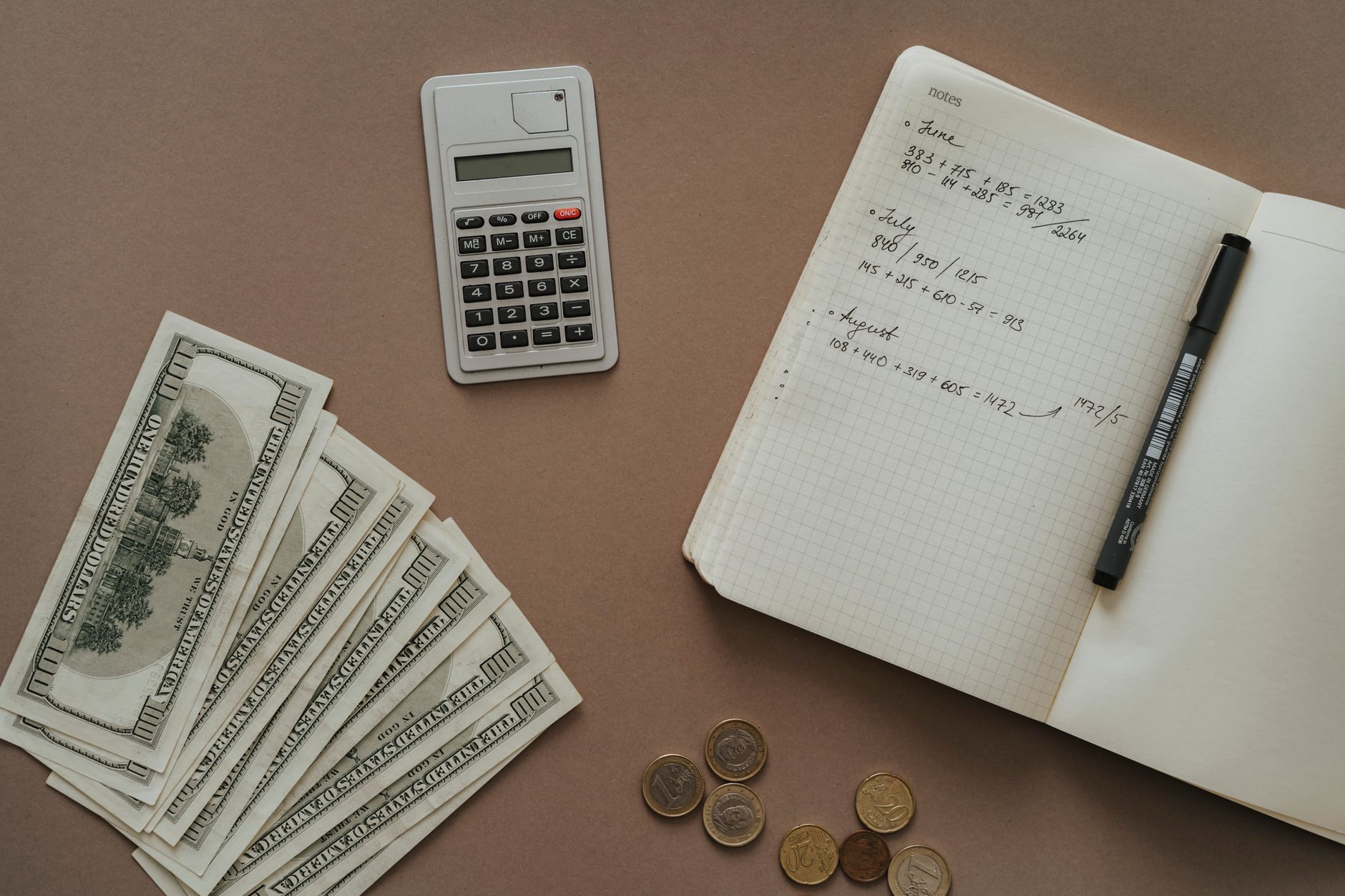
Rock is roaring back in 2026. Substream Magazine just spotlighted why rock music is trending again—streaming algorithms are finally catching up, Gen Z is discovering guitar-driven music through TikTok, and legacy bands are sharing stages with newcomers in ways we haven’t seen since the early 2000s. That means Aftershock, Rocklahoma, Welcome to Rockville, and Download are selling out faster than ever, and secondary market prices are getting brutal.
If you’re trying to catch this wave without draining your savings, you need a rock festival travel budget planner that actually works for real fans—not some generic spreadsheet that assumes you’re flying private and staying in a hotel with a spa. Here’s how to build one from scratch, with numbers that reflect 2026’s inflated festival economy.
Why 2026 Demands a Smarter Budget Approach
Festival economics shifted hard this year. Single-day GA tickets for major rock festivals now run $180-$250 before fees. Camping passes at tier-one events hit $150-$200 for the weekend. And here’s the kicker: airfare to festival cities jumped 22% year-over-year according to recent travel data, driven by post-pandemic demand and fuel costs.
The old advice—“save $500 and you’ll be fine”—doesn’t cut it anymore. A couple attending Aftershock 2026 from the Midwest could easily spend $2,800-$3,400 without planning. But with a structured rock festival travel budget planner, that same couple can cut 30-40% without sacrificing a single headliner.
Build Your Baseline: The Core Cost Categories
Start with hard numbers, not wishful thinking. Break every trip into five locked categories:
Tickets & Upgrades
- GA weekend: $350-$450 (buy during presale or artist fan club windows)
- VIP upgrades: $200-$600 extra—worth it only if you value shorter beer lines and shaded viewing
- Parking/camping: $75-$250 depending on proximity
Transportation
- Driving: calculate gas at current rates plus 500+ miles of wear
- Flying: book 6-8 weeks out; Tuesday departures save $40-$80 on average
- Festival shuttles: often $30-$60 roundtrip, frequently overlooked in planning
Lodging
- On-site camping: $150-$300 (often includes car pass)
- Budget motel 15+ miles out: $120-$180/night
- Fan-group house rentals: $50-$100/night split four ways
Food & Drink
- Festival grounds: $14-$18 per meal, $10-$14 per beer
- Cooler strategy: $60 grocery run covers 3 days of breakfasts and snacks
The “Oh Shit” Fund
- 15% buffer minimum. Someone always loses a phone, gets a flat, or needs emergency hydration.
The Multi-Festival Strategy: Stretching One Trip Into Two
Here’s where your rock festival travel budget planner gets interesting. With rock’s 2026 resurgence, several festivals now cluster geographically within driving distance. Rocklahoma (Pryor, OK) and River City Rockfest (San Antonio) sit roughly 7 hours apart in late May. Welcome to Rockville (Daytona) and Epicenter (North Carolina) historically book similar weekends.
The hack: plan a 10-12 day road trip hitting two festivals instead of two separate round trips. Your per-festival transportation cost drops 40-50%. Camping gear amortizes across both events. And you’re already in vacation mode—no repeated PTO requests.
Real example: Flying to Rocklahoma alone from Chicago runs ~$650 with bags and ground transport. Driving to Rocklahoma, then looping to San Antonio for a second festival? Gas plus camping for the full stretch: roughly $380 total. That’s $270 staying in your pocket, or funding your next vinyl splurge.
The Hidden Savings Nobody Talks About
Volunteer programs are back post-pandemic, and rock festivals run some of the best. Work 12-16 hours across four days—typically setup, water station, or recycling—and earn free admission plus sometimes camping and meal vouchers. Apply through the festival’s nonprofit partner, not the main site. Spots fill 3-4 months out.
Artist fan clubs increasingly bundle presale codes with exclusive merch. A $25 annual membership to a headliner’s club can unlock ticket prices $50-$100 below public on-sale. Do the math for your must-see bands.
Local grocery delivery to your camping spot beats festival markup brutally. Walmart and Target now deliver to most major festival campgrounds. Order ice, breakfast supplies, and cases of water for pickup. You’ll skip the 45-minute ice line that always forms by 9 AM.
Phone battery economics: A $40 power bank eliminates $8-12 daily “charging locker” rentals. Over four days, that’s $32-$48 saved—plus you never miss a set wandering back to your locker.
Timing Your Purchases: A 6-Month Calendar
Month 6 before festival: Lock tickets during presale. Prices rarely drop closer to date for rock festivals; they spike.
Month 4: Book lodging or confirm camping reservations. Hotel blocks release; nearby Airbnbs get claimed by coordinated fan groups.
Month 3: Arrange transportation. Flight prices enter their volatile window; driving? Get your vehicle inspected.
Month 2: Build your packing list, buy gear during sales. Buy your “Oh Shit” fund contribution—set it aside in a separate account.
Month 1: Confirm delivery addresses for campsite orders. Download offline maps and festival apps. Finalize volunteer shifts if applicable.
Week of: Execute grocery order. Check tire pressure and oil if driving. screenshot all confirmation codes—cell service fails at every major festival.
Conclusion: Your Rock Festival Travel Budget Planner in Action
The 2026 rock revival isn’t slowing down. If anything, the momentum Substream identified is accelerating—more bands, bigger productions, higher demand. That means prices won’t normalize soon. The fans who thrive are the ones who plan deliberately.
Your rock festival travel budget planner doesn’t need to be complicated. Five categories, real numbers, a 15% buffer, and strategic timing. Add the multi-festival road trip angle, exploit volunteer and fan club access, and treat every purchase as a decision rather than a reflex. The mosh pit hits harder when you’re not mentally calculating overdraft fees between sets.
Start building yours tonight. The next presale window opens sooner than you think.